 by petecrane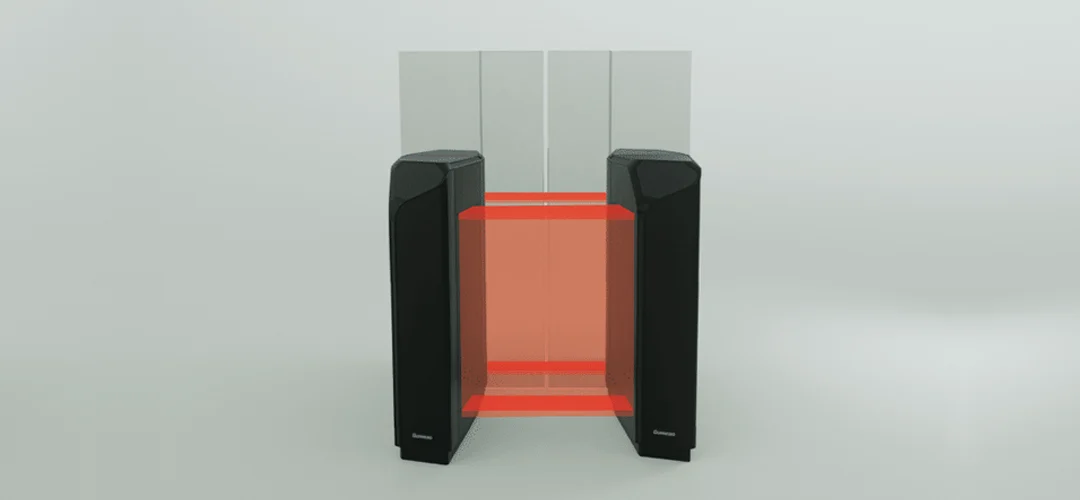
When it comes to managing pedestrian access and ensuring secure entry in commercial and public spaces, choosing the right type of gate is essential. Two of the most popular options available today are swing gates and speed gates. Each offers distinct advantages, as well as certain limitations, depending on the nature of the facility and the level of security required.
As a trusted provider of entrance control solutions, Gunnebo helps businesses and organisations find the right balance between efficiency, safety, and user experience. Understanding the pros and cons of swing gates vs speed gates can help you make an informed decision for your building’s access control system.
Understanding Swing Gates and Speed Gates
Before comparing their benefits and drawbacks, it’s important to understand what sets swing gates and speed gates apart.
Swing gates are pedestrian access barriers that operate much like a door, opening and closing on hinges to allow passage. They are typically used in environments that require controlled access but not necessarily high throughput, such as small offices, schools, or reception areas.
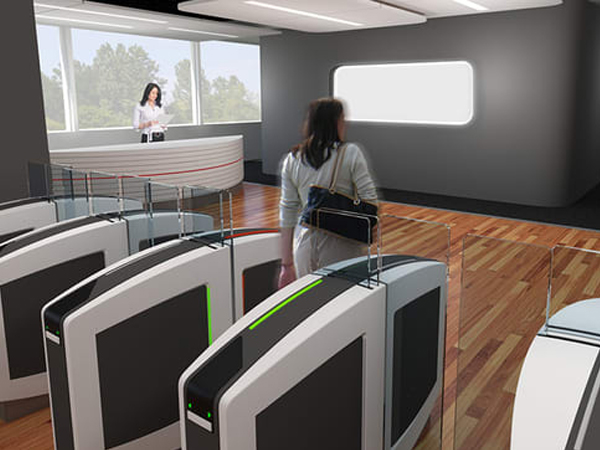
Speed gates, on the other hand, are automated systems designed for fast-paced environments. They use sliding or retractable panels to manage access quickly, making them ideal for busy corporate buildings, airports, and transport terminals where efficiency and security must work hand in hand.
The Pros of Swing Gates
- Cost-Effective Solution
Swing gates are generally more affordable to install compared to speed gates. They are a good choice for facilities that require basic access control without the need for high-speed automation. - Simplicity and Ease of Use
The straightforward design of swing gates makes them easy to operate and maintain. They can be paired with manual or electronic access systems such as card readers or intercoms. - Suitable for Larger Objects or Wheelchair Access
Swing gates can provide wider openings, allowing for the easy movement of trolleys, wheelchairs, or large items. This makes them an excellent option for buildings that need to accommodate accessibility requirements. - Low Maintenance
With fewer moving parts and simpler mechanisms, swing gates typically require less maintenance and have lower ongoing costs than more complex systems.
The Cons of Swing Gates
- Slower Throughput
Because they open and close more slowly, swing gates are not ideal for environments where large volumes of people need to pass through quickly. - Manual Operation in Some Models
Certain swing gates require manual operation, which can lead to inconsistencies in flow control and potential security lapses. - Limited Integration
Unlike speed gates, swing gates may not integrate easily with advanced security systems or analytics software, limiting their adaptability in modern access management environments.
The Pros of Speed Gates
- Fast and Efficient Flow
Speed gates are designed for quick and smooth movement, processing a large number of users per minute. This makes them perfect for high-traffic areas such as corporate offices, train stations, or airports. - Enhanced Security
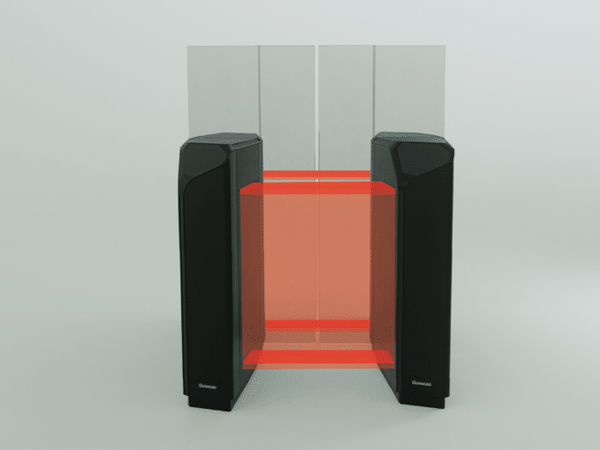
These gates use sensors and intelligent detection systems to prevent tailgating and unauthorised access. Many models can be integrated with biometric scanners, keycards, or mobile credentials for an added layer of protection. - Modern Design and Aesthetics
Speed gates complement contemporary architectural designs, offering a sleek and professional appearance that enhances the image of modern facilities. - Seamless Integration with Smart Systems
With the ability to connect to building management systems, surveillance, and analytics software, speed gates provide real-time monitoring and data insights for improved operational control.
The Cons of Speed Gates
- Higher Installation Costs
The advanced technology and automation used in speed gates come with a higher initial investment compared to swing gates. However, this can be offset by long-term operational efficiency. - More Complex Maintenance
Speed gates contain electronic and mechanical components that may require regular maintenance and professional servicing to ensure optimal performance. - Less Suitable for Large Objects
Due to their design, speed gates are typically not used for moving bulky equipment or furniture, which may require alternative access points.
Choosing Between Swing Gates and Speed Gates
When deciding between swing gates vs speed gates, the best choice depends on your facility’s priorities.
If your main goal is to control access in a low-traffic area with limited budget and maintenance requirements, swing gates may be the better fit. They offer reliability, simplicity, and accessibility.
However, if your facility handles a high volume of people daily and demands a balance between security and efficiency, speed gates are the superior choice. They not only enhance operational flow but also improve the user experience and overall safety.
Making the Right Choice for Your Facility
Both gate types serve distinct purposes, and the ideal solution often depends on combining them strategically across different access points. For instance, swing gates can be used for wheelchair access or special entry lanes, while speed gates can manage regular employee or visitor access.
To ensure you choose the most suitable system for your needs, it’s best to consult professionals with experience in access control technology. Gunnebo offers a range of innovative entrance control solutions designed to optimise efficiency, security, and design flexibility for every environment.For a comprehensive look at how swing gates vs speed gates can fit your facility’s requirements, visit Gunnebo and explore tailored solutions that combine convenience and safety with modern access control innovation.